


🌿 Unlocking Calm: Practical Ways to Relieve Stress

Stress touches all of us — in the rush of deadlines, the weight of responsibilities, or even the quiet hum of daily worries. While we can’t erase it completely, we can learn to soften its edges. With the right rituals, stress transforms from a heavy burden into a gentle reminder to pause, breathe, and realign. In this guide, you’ll discover practical, proven ways to invite calm into your routine and reclaim your sense of balance.
Understanding Stress and Its Impact
Stress is the body’s way of sounding an alarm — a surge of energy and emotion that prepares us to meet life’s demands. In small doses, it can sharpen focus and fuel motivation. But when stress lingers, it begins to erode our well‑being, showing up as headaches, fatigue, anxiety, or even a weakened immune system.
The first step toward reclaiming calm is noticing the signals your body and mind send. Stress often whispers before it shouts:
• Irritability or sudden mood shifts
• Restless nights or difficulty falling asleep
• Scattered thoughts and trouble concentrating
• Tight shoulders, clenched jaw, or lingering muscle aches
By listening to these cues early, you can soften their impact and prevent stress from taking root.
✨ Reflection Prompt: Pause for a moment. Where does stress show up in your body today? Notice without judgment — simply observe the sensations, and let awareness be your first step toward release.
Effective Stress Relief Methods to Try Today
There’s no single path to calm — the key is finding practices that feel natural and nourishing for you. Here are four gentle yet powerful ways to release tension and invite balance into your day:
1. Deep Breathing: A Reset for the Nervous System
When stress builds, your breath often becomes shallow and rushed. By slowing it down, you signal safety to your body. Try this rhythm:
• Inhale through your nose for four counts, drawing in calm.
• Hold for four counts, savoring stillness.
• Exhale through your mouth for six counts, letting tension melt away.
• Continue for 5–10 minutes.
Each cycle is like pressing a reset button for your nervous system.
2. Physical Activity: Moving Stress Out of the Body
Movement is medicine. A brisk walk, a few yoga poses, or even dancing in your living room can shift your state. The goal isn’t intensity, but consistency — moving stress out of the body and inviting energy back in.
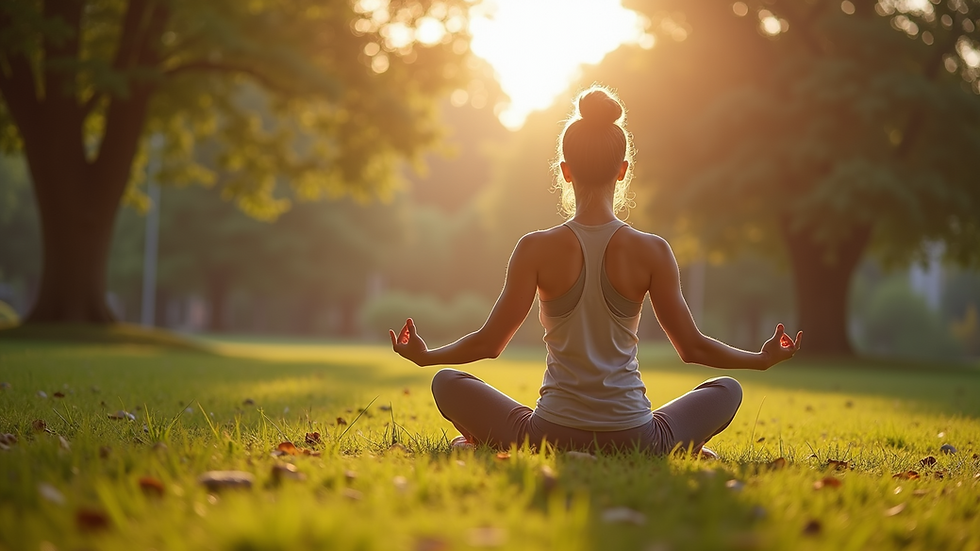
3. Mindfulness Meditation: Anchoring in the Present
Stress often pulls you into the past or future. Mindfulness brings you back to now. Begin with just five minutes:
• Find a quiet space.
• Sit comfortably, close your eyes, and focus on your breath.
• When your mind wanders, gently guide it back without judgment.
Over time, this practice builds resilience, helping you meet challenges with steadiness instead of reactivity.
4. Creative Outlets: Turning Emotion into Expression
Creativity is a powerful release valve. Whether it’s painting, journaling, cooking, or playing music, creative acts give your emotions a safe place to land. They remind you that beauty and play are always available.
✨ Reflection Prompt: Which of these practices feels most accessible to you today? Choose one and give yourself permission to try it — even for just a few minutes.
How to Incorporate Stress Relief Methods into Your Routine
Stress relief becomes most powerful when it shifts from occasional practice to everyday ritual. Think of it as building a rhythm of calm into your schedule — small pauses that anchor you no matter how busy life feels.
• Schedule softness: Treat relaxation like an appointment.
• Set reminders of calm: A simple notification — “Pause and breathe” — can reset your energy.
• Curate your environment: Soft lighting, soothing music, or aromatherapy can transform even a corner of your home into a sanctuary.
• Limit digital noise: Protect your nervous system by choosing intentional screen time.
• Lean into connection: Share your feelings with trusted friends or support groups.
✨ Reflection Prompt: Imagine your day as a canvas. Where could you paint in moments of calm — a breath before emails, a stretch between meetings, or a gratitude pause before bed?
Exploring stress reduction techniques for Lasting Calm
Once you’ve built simple stress‑relief habits, you can explore deeper techniques that train your body and mind to respond with calm even in challenging moments.
• Guided Imagery: Close your eyes and imagine a place that feels safe and serene. By vividly picturing this scene, you invite your nervous system to relax as if you were truly there.
• Progressive Muscle Relaxation: Stress often hides in the body. Tense and release each muscle group, moving from toes to face, to teach your body the difference between tension and ease.
• Biofeedback: With simple technology, monitor signals like heart rate or muscle activity. Over time, you learn to consciously guide your stress response toward calm.
✨ Reflection Prompt: Which of these deeper practices feels most intriguing to you? Imagine how it might shift your day if you gave it five minutes of focused attention.

Making Stress Relief a Lifestyle Choice
Stress relief isn’t just about occasional pauses — it’s about shaping a lifestyle that nurtures both mind and body. When calm becomes part of your daily rhythm, resilience grows naturally.
• Nourish with balance: Choose foods that support steady energy.
• Honor rest: Aim for 7–9 hours of sleep each night.
• Soften stimulants: Limit caffeine and alcohol, which can heighten anxiety.
• Practice gratitude: Keep a journal of small joys to reframe stress into perspective.
• Seek support: Therapy or counseling can provide tools and companionship on the path to calm.
✨ Reflection Prompt: Imagine your lifestyle as a garden. Which habits are already nourishing you, and which new seeds of calm could you plant today?
Embrace Calm and Take Control
Stress may be inevitable, but it doesn’t have to define your days. Each breath, each pause, each mindful choice is a reminder that you hold the power to soften life’s edges. Calm isn’t something you stumble upon — it’s something you cultivate, moment by moment.
Start small. Choose one practice that resonates with you and weave it gently into your routine. Over time, these rituals become anchors, helping you meet challenges with clarity instead of overwhelm.
✨ Reflection Prompt: What is one simple act of calm you can commit to today? Write it down, honor it, and let it be your first step toward a more centered life.


Comments